
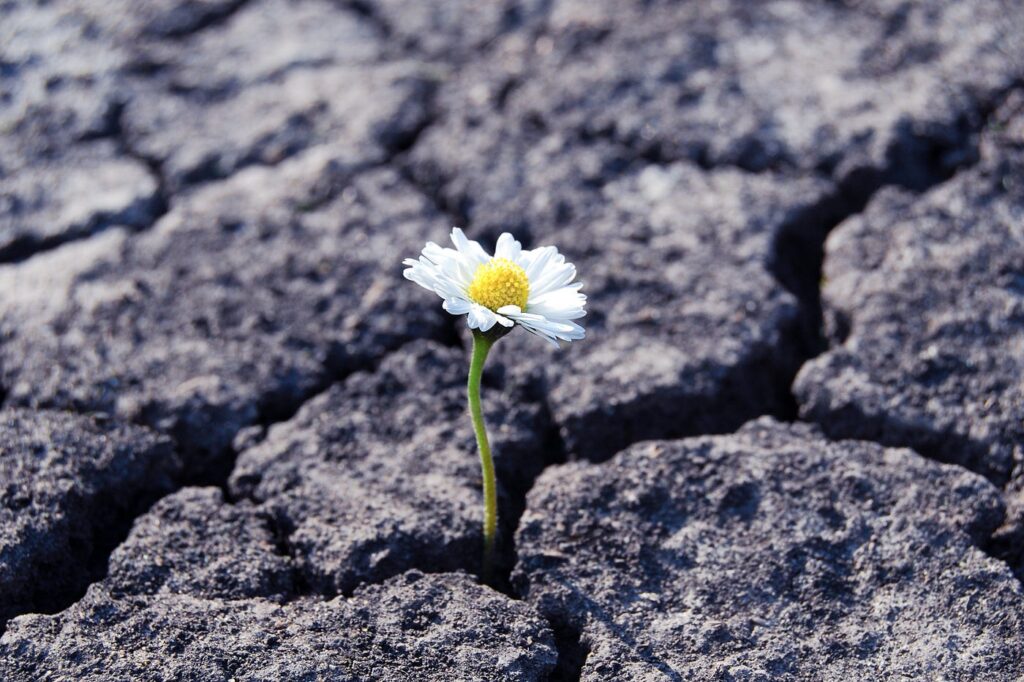
Change is a constant companion in life. Sometimes it arrives like a thunderclap — a breakup, a diagnosis, the loss of something precious. Other times, it creeps in quietly, reshaping our days before we even notice. Some people seem to bend without breaking, while others are left feeling uprooted and raw. What makes the difference? Is it possible to prepare ourselves so that life’s hardest moments don’t leave lasting scars?
Try IntoWisdom Groups free Transition Resource Center app with personal and professional transition phase indicators.
The Seeds of Resilience
We often think of resilience as something that appears after we’ve been tested. But what if it starts before the storm? What if resilience is something we can grow in ourselves, long before trouble knocks at our door?
Psychologists use phrases like “protective factors,” “anticipatory coping,” and “stress inoculation.” These are just ways of saying that we can build habits, mindsets, and relationships that help us face hard times with more strength and less fear. In simple terms, preparation matters.
How Our Assumptions Shape Our Experience
How we think about change and difficulty matters. If we believe life should be easy and pain avoidable, we’re more likely to feel overwhelmed when challenges come. M. Scott Peck said it simply: “Life is difficult.” And in The Princess Bride, Westley reminds us, “Life is pain, Highness. Anyone who says differently is selling something.”

Accepting that hardship is part of life helps us prepare emotionally. When we expect change and difficulty, we’re less shocked by them and less likely to experience trauma. But if we deny this reality, even small challenges can feel like deep wounds.
Preparation isn’t just about skills, it’s about shaping our expectations so we meet life’s storms with open eyes and steady hearts.
Try This: Expectation Check-In
Take a few minutes to write down your beliefs about change and difficulty. Do you expect life to be mostly smooth, or do you accept that challenges are a normal part of life? Reflect on how these beliefs shape your reactions. Try reframing: What’s a more balanced belief you can hold about change?
Facing Change Honestly
Daniel Goleman, in his book Vital Lies, Simple Truths, describes how we sometimes avoid uncomfortable truths. We tell ourselves little lies to keep from feeling anxious or afraid. But when we ignore reality, we can’t prepare for it. Then, when change comes, we’re caught off guard.
Think about a time you sensed something in your life was about to shift — a friendship growing distant, a job feeling shaky, a health concern you didn’t want to face. Did pretending everything was fine make the change easier, or harder? Often, the pain is sharper when we haven’t faced the truth.
Try This: Reality Practice
Think of one area in your life where you might be avoiding a difficult truth. Write down what you’re avoiding and why. Take one small step to face it — maybe it’s having a conversation, making an appointment, or simply admitting it to yourself.
Sarah’s Story*:
Sarah grew up in a home shadowed by abuse. For years, she felt lost in fear and self-doubt. But she chose to face her reality. With the help of therapy and the support of friends and family, she began to heal. She didn’t become the person she was before — she became someone stronger, piecing her life back together into something new and beautiful. Sarah’s journey shows how facing the truth, though painful, is the first step toward real resilience.

Finding Meaning When Life Changes
Viktor Frankl, who survived unimaginable hardship, wrote in Man’s Search for Meaning that even in suffering, we can find purpose. If we spend time reflecting on what matters most to us — before life turns upside down — we’re more likely to hold on to hope and direction when things get tough.
Imagine someone who loses their home in a fire. If they’ve thought deeply about what truly gives their life meaning — family, kindness, creativity — they may still grieve, but they’re less likely to feel lost. Their sense of meaning becomes an anchor in the storm.
Try This: Meaning Inventory
List the things that give your life meaning — relationships, passions, values, or goals. Circle the top three. For each, write one way you can nurture or strengthen that source of meaning this week.
A Story of Recovery:
After a traumatic surgery and the loss of her baby, one woman found herself struggling with panic attacks and denial. It wasn’t until she accepted her emotional pain and reached out for support that she began to heal. Through journaling, meditation, and connecting with others, she built a new foundation for her life. Writing became part of her recovery, helping her process her trauma and discover new meaning and community.
Building Strength Before You Need It
Eric Greitens, in Resilience, and Angela Duckworth, in Grit, both remind us that resilience isn’t just something you have or don’t have. It’s something you practice. You can build it, bit by bit, in ordinary moments.

Try to remember a time when you faced a small setback, a missed opportunity, a minor illness, or a disagreement with a friend. How did you respond? Did you practice patience, reach out for support, or remind yourself of past strengths? These small acts are like watering the seeds of resilience.
Try This: Resilience Journal
At the end of each day for a week, jot down:
- One challenge you faced (big or small)
- How you responded
- What helped you cope or recover
- What you might do differently next time
Over time, you’ll notice your strengths and patterns grow clearer.
Try This: Courage Challenge
Pick a small, manageable risk to take this week — something that nudges you out of your comfort zone. It could be trying a new activity, speaking up, or asking for help. Afterwards, reflect on how it felt and what you learned.
A Story of Surrender and Support*:
One person described carrying the weight of trauma for years, believing they had to handle everything alone. It wasn’t until they surrendered and asked for help that true healing began. Therapy, self-care rituals, and moments in nature became tools to lighten the load. Over time, they learned that resilience isn’t about bouncing back quickly, but about moving forward with compassion for oneself.
The Soil Where Resilience Grows
If resilience is the flower and preparation is the seed, what is the soil? The soil is everything that supports you: your daily routines, your friendships, your beliefs, your willingness to face the truth. It’s the environment you create for yourself, day by day.
Try This: Support Network Map
Draw a simple map of your support system. Who can you turn to for help, advice, or comfort? Are there gaps? Choose one relationship to nurture this week — send a message, set up a call, or express appreciation.
Try This: Grounding Ritual
Create a simple daily ritual to help you stay steady during times of change. This could be a morning walk, a gratitude list, a breathing exercise, or a moment of quiet reflection. Practice it for one week and notice any shifts in your mood or resilience.
As one writing coach put it:
“Resilience is the flower; preparation is the seed. What will you call the soil in which it grows?”
Can Preparation Make Us More Trauma-Resistant?
Here’s the real question: If we prepare for change and build resilience ahead of time, can we actually become more resistant to trauma? Can we face life’s hardest moments and come through with less pain, fewer scars?
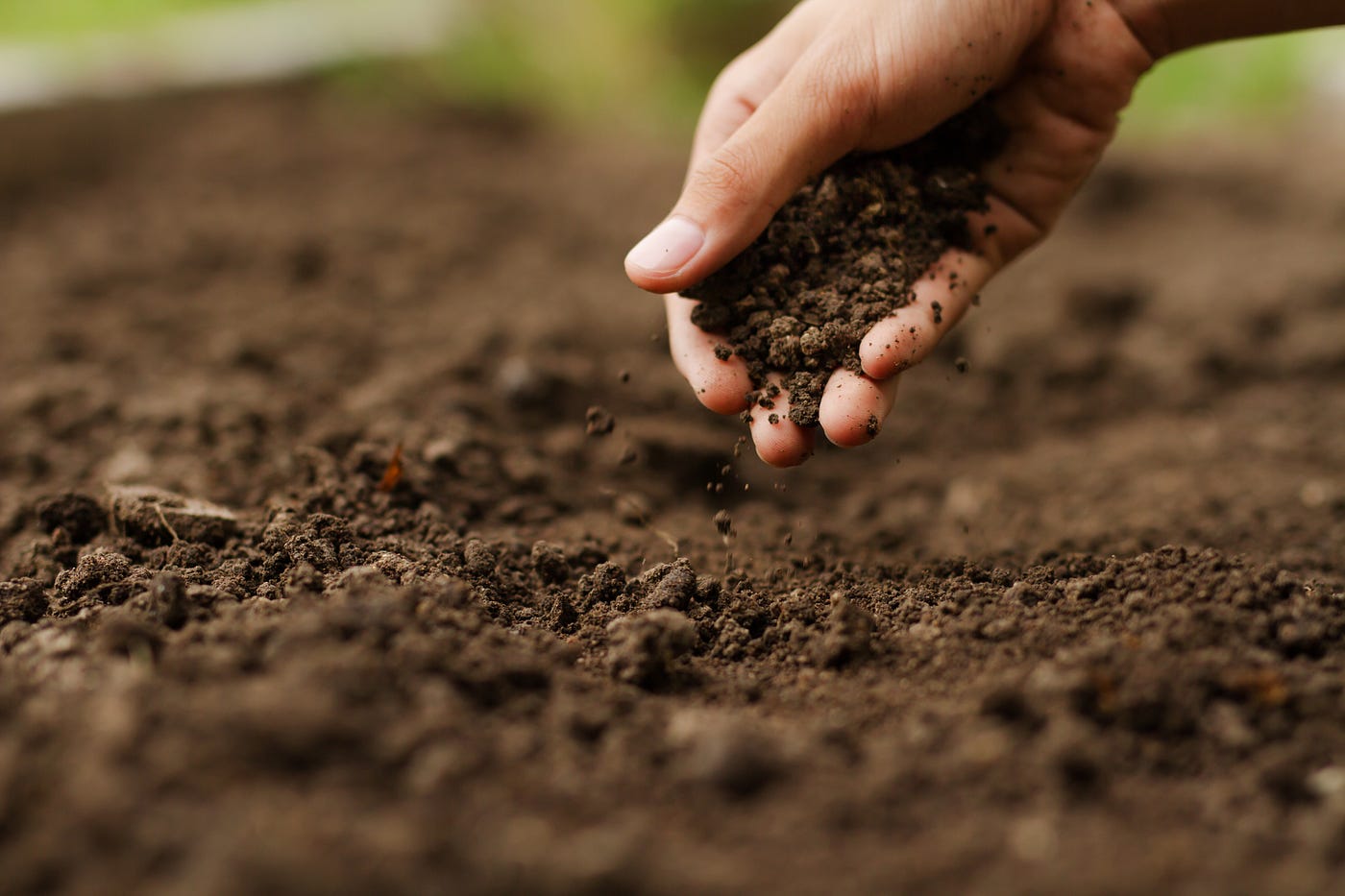
Research and stories suggest that the answer is yes, at least sometimes. (Layne, C. M., Steinberg, A. M., & Pynoos, R. S., 2009; Bonanno, G. A., 2004; Yehuda, R., & Flory, J. D., 2007) People who practice facing reality, reflect on what matters, and build small habits of strength often recover more quickly from hardship. They may still feel pain, but it doesn’t define who they are. They bend, but they don’t break.
A Personal Story
Several years ago, I lost my job due to an organizational reorganization. I got RIF’d (reduction in force). At first, I was devastated. My self-worth, skills, and competency were thrown into question. I set my mind to “toughing it out.” That strategy didn’t turn out to be helpful or needed. What helped wasn’t just grit or stubbornness; it was the little ways I had prepared. I had been leading programs on dealing with organizational change and designing presentations on transitioning for several years. Those lessons, along with support from my colleagues and community, helped me through the hardest days.
An Invitation
Change is coming for all of us. Some of it will be hard. But you can prepare. You can plant seeds. You can tend the soil of your life. And when the storm passes, you may find that resilience has bloomed in you, too.

*The Stories — The stories in this article are based on the combined stories of people I’ve met through my work with youth and adults.
(All images by Adobe Stock, Pexels, and John Losey)
(AI was used in this article for research, grammar, and feedback. All content is the work of the author. The author has significantly edited any contributions from AI.)
This article first appeared on Medium.